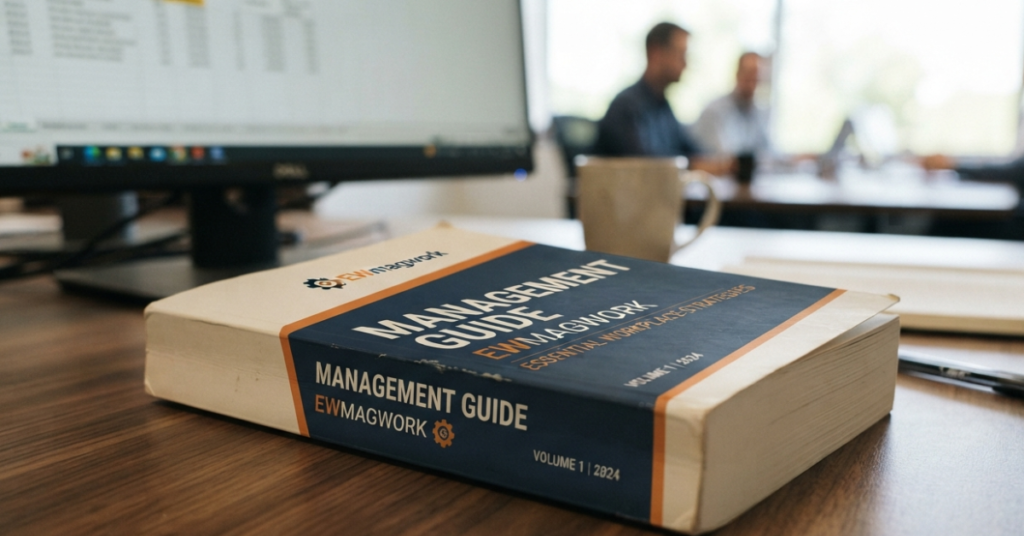
What separates an average workplace from one where employees genuinely enjoy coming to work? The answer often isn’t bigger budgets or fancy office spaces—it’s effective management.
This management guide ewmagwork explores practical strategies that help organizations build productive teams, improve communication, resolve workplace challenges, and create an environment where people can perform at their best. Whether you’re leading a small team, managing an entire department, or simply looking to improve workplace collaboration, this guide offers actionable insights you can apply immediately.
Throughout this article, you’ll discover proven management principles, conflict-resolution techniques, leadership practices, and creative team-building ideas that contribute to long-term workplace success.
What Is EWMagWork?
The term ewmagwork refers to a workplace-focused concept centered on improving organizational effectiveness through smarter management, stronger communication, employee engagement, and healthy workplace culture.
Rather than focusing solely on productivity metrics, the approach emphasizes balancing business goals with employee well-being. Organizations following these principles typically prioritize:
- Transparent communication
- Accountability
- Collaborative leadership
- Continuous learning
- Respectful workplace relationships
- Sustainable productivity
The goal is simple: create an environment where both employees and businesses thrive together.
Workplace Management EWMagWork Principles
Successful organizations rarely depend on luck. They rely on structured management systems that support both people and performance.
Build Clear Expectations
Employees perform better when responsibilities are clearly defined.
Managers should establish:
- Job responsibilities
- Performance expectations
- Communication standards
- Decision-making authority
- Project deadlines
Clarity reduces confusion and increases accountability across the organization.
Set Measurable Goals
SMART goals remain one of the most effective frameworks:
- Specific
- Measurable
- Achievable
- Relevant
- Time-bound
When everyone understands success metrics, teams stay aligned.
Encourage Open Communication
Poor communication causes many workplace problems.
Effective managers create multiple communication channels, including:
- Weekly team meetings
- One-on-one check-ins
- Anonymous feedback opportunities
- Collaborative planning sessions
Listening actively is just as important as giving instructions.
Develop Trust Through Consistency
Trust forms the foundation of high-performing teams.
Leaders build trust by:
- Keeping commitments
- Being transparent
- Admitting mistakes
- Giving consistent feedback
- Treating employees fairly
Over time, consistency creates confidence and stronger workplace relationships.
Workplace Guide EWMagWork: Building a Positive Culture
Culture influences every aspect of organizational performance.
A positive workplace culture encourages employees to contribute ideas, collaborate effectively, and remain motivated during challenges.
Promote Inclusion
Employees perform better when they feel respected regardless of:
- Background
- Experience
- Age
- Gender
- Personal perspectives
Inclusive workplaces encourage diverse thinking, leading to better decisions.
Recognize Employee Contributions
Recognition doesn’t always require financial rewards.
Simple appreciation can include:
- Public acknowledgment
- Thank-you messages
- Team celebrations
- Career development opportunities
- Flexible scheduling
Consistent recognition increases morale and retention.
Support Professional Growth
Learning opportunities benefit both employees and employers.
Consider offering:
- Skills workshops
- Leadership training
- Mentorship programs
- Online certifications
- Cross-functional projects
Employees who continue learning are often more engaged and adaptable.
Leadership Skills That Strengthen Workplace Performance
Management is about systems, while leadership is about influencing people.
Strong leaders combine both.
Practice Emotional Intelligence
Emotional intelligence includes:
- Self-awareness
- Empathy
- Emotional regulation
- Social awareness
- Relationship management
Managers with strong emotional intelligence often resolve issues faster and build healthier teams.
Delegate Effectively
Delegation is more than assigning tasks.
Good delegation includes:
- Choosing the right employee
- Explaining expectations clearly
- Providing necessary resources
- Allowing ownership
- Reviewing outcomes constructively
Delegation develops future leaders while reducing manager overload.
Give Constructive Feedback
Feedback should be:
- Timely
- Specific
- Respectful
- Solution-focused
Instead of criticizing mistakes, focus on improvement opportunities and practical next steps.
How Do You Handle a Workplace Dispute EWMagWork?
Conflict is unavoidable, but poor conflict management can damage morale, productivity, and trust.
A structured approach helps resolve disagreements before they escalate.
Step 1: Understand Both Perspectives
Allow each person to explain the situation without interruption.
Gather facts rather than assumptions.
Step 2: Identify the Root Cause
Many disputes aren’t about the obvious issue.
Common underlying causes include:
- Miscommunication
- Unclear responsibilities
- Personality differences
- Resource competition
- Unrealistic expectations
Addressing the root cause creates lasting solutions.
Step 3: Encourage Respectful Discussion
Create a neutral environment where employees can:
- Speak openly
- Listen actively
- Avoid personal attacks
- Focus on solutions
The objective isn’t determining a winner but restoring collaboration.
Step 4: Agree on Action Steps
Document clear agreements, including:
- Responsibilities
- Deadlines
- Follow-up meetings
- Expected behaviors
This reduces future misunderstandings.
Step 5: Monitor Progress
Conflict resolution doesn’t end after one meeting.
Managers should:
- Check in regularly
- Reinforce agreements
- Offer additional support when needed
Consistent follow-up strengthens accountability.
Sisterhood Activity Ideas EWMagWork
Strong workplace relationships improve engagement, collaboration, and employee satisfaction.
These activities help build supportive professional communities, particularly among women’s leadership groups and collaborative teams.
Mentorship Circles
Pair experienced professionals with newer employees to encourage knowledge sharing and career development.
Appreciation Wall
Create a physical or digital space where employees recognize each other’s contributions.
Small acknowledgments often have a significant positive impact.
Monthly Learning Sessions
Invite team members to share expertise on topics such as:
- Time management
- Public speaking
- Financial literacy
- Leadership
- Wellness
Learning together strengthens workplace relationships.
Community Volunteer Projects
Participating in volunteer initiatives develops teamwork while contributing to meaningful causes.
Employees often build stronger connections outside traditional work settings.
Wellness Challenges
Friendly workplace challenges may include:
- Walking competitions
- Reading challenges
- Hydration goals
- Meditation sessions
- Healthy lifestyle initiatives
These encourage engagement while supporting employee well-being.
Common Workplace Management Challenges
Every organization faces obstacles.
Recognizing them early makes solutions easier.
Communication Gaps
Often caused by unclear expectations or inconsistent updates.
Low Employee Engagement
May result from lack of recognition, limited growth opportunities, or unclear career paths.
Resistance to Change
Employees adapt more easily when leaders explain why changes matter and involve them in the process.
Time Management Problems
Clear prioritization and realistic workloads improve productivity without increasing stress.
Practical Tips for Better Workplace Success
Small improvements often produce lasting results.
Consider these practical habits:
- Hold regular one-on-one meetings.
- Celebrate achievements frequently.
- Encourage continuous learning.
- Make feedback part of everyday work.
- Resolve conflicts early.
- Delegate responsibilities thoughtfully.
- Review team goals regularly.
- Promote work-life balance.
- Listen before making decisions.
- Lead by example.
Benefits of Effective Workplace Management
Organizations that prioritize strong management often experience:
- Higher employee satisfaction
- Better collaboration
- Improved productivity
- Lower turnover
- Greater innovation
- Stronger customer service
- Faster problem-solving
- Healthier workplace culture
These benefits contribute to long-term organizational success.
Key Takeaways
- Effective management combines leadership, communication, and accountability.
- Clear expectations reduce confusion and improve performance.
- Healthy workplace culture supports long-term employee engagement.
- Conflict resolution requires empathy, structure, and follow-up.
- Team-building activities strengthen collaboration and trust.
- Continuous learning creates more adaptable organizations.
Frequently Asked Questions
What is the purpose of a management guide ewmagwork?
It provides practical strategies for improving leadership, workplace communication, employee engagement, and organizational performance through effective management practices.
Is workplace management ewmagwork suitable for small businesses?
Yes. The principles apply to organizations of all sizes because clear communication, accountability, and positive workplace culture benefit every team.
How do you handle a workplace dispute ewmagwork recommends?
The recommended approach includes listening to all parties, identifying the root cause, encouraging respectful dialogue, agreeing on solutions, and following up to ensure lasting improvements.
Why is workplace culture important?
A positive culture improves employee satisfaction, encourages collaboration, reduces turnover, and helps organizations maintain consistent productivity.
What are some effective sisterhood activity ideas ewmagwork encourages?
Popular ideas include mentorship circles, appreciation programs, volunteer activities, wellness challenges, networking events, and collaborative learning sessions that strengthen workplace relationships.
How can managers improve employee engagement?
Managers can improve engagement by recognizing achievements, providing growth opportunities, communicating openly, encouraging participation, and creating an environment where employees feel valued.
Conclusion
Successful organizations are built through intentional leadership rather than chance. By applying the principles outlined in this guide—from setting clear expectations and improving communication to resolving conflicts and strengthening workplace relationships—you can create a more productive and supportive work environment.
Whether you’re leading a growing business or managing a small team, adopting the practices discussed in this guide can help improve performance while fostering a culture where employees feel respected, motivated, and empowered. Start with one or two strategies today, evaluate the results, and continue building a workplace designed for long-term success.
Leave a Reply